

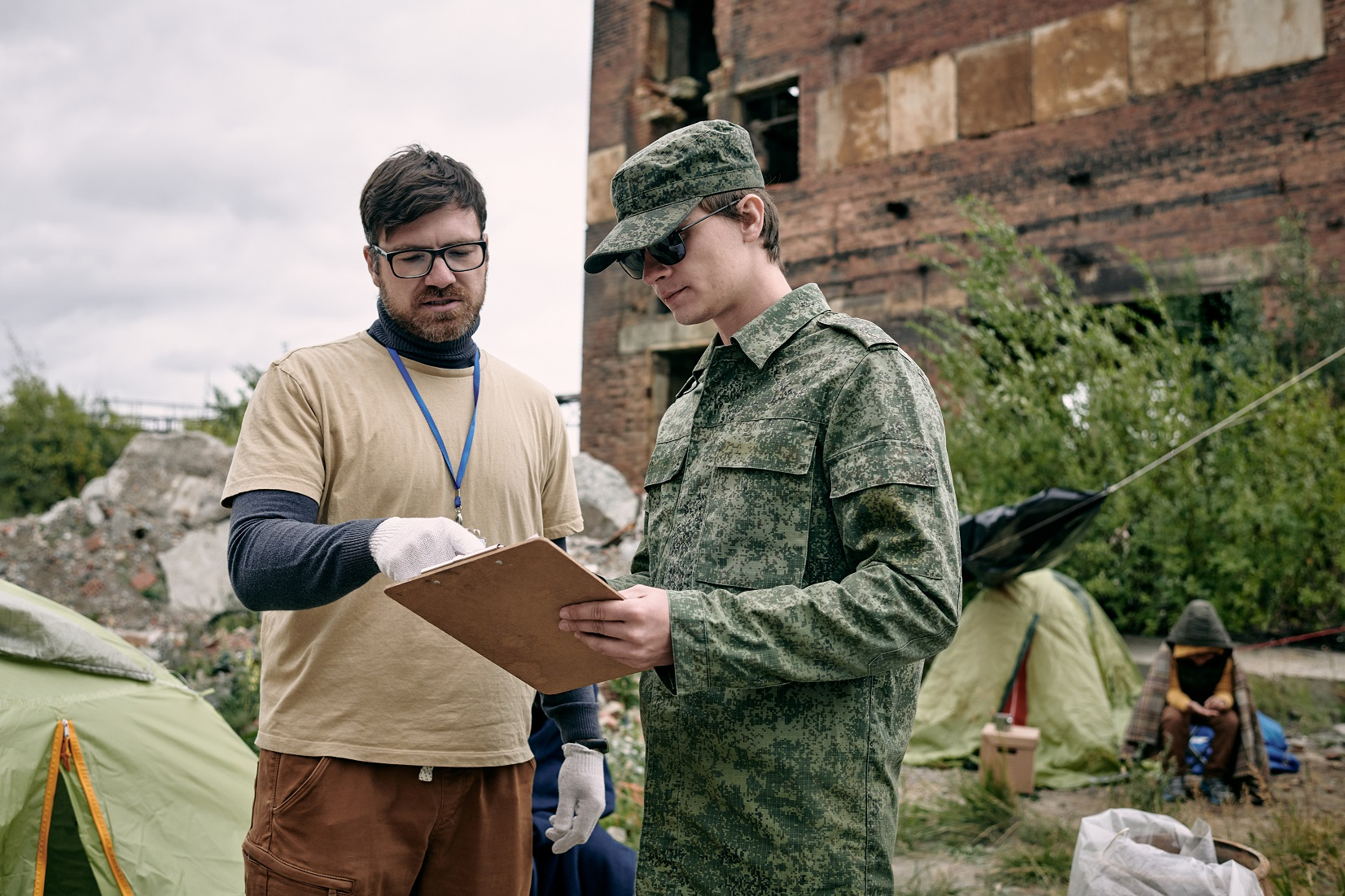
Establishing critical infrastructure in remote or damaged locations requires speed, flexibility,and self-sufficiency. Solar-powered mobile units are meeting these challenges with rapid deployment, adaptability, and off-grid energy capability. Below are some of the most impactful ways these units are transforming defense and emergency response.
Defense Applications
Secure Compartmented Information Facilities (SCIFs):
Solar-powered units can be configured for secure communications and intelligence operations, providing a mission-ready SCIF anywhere.
Border Control and Surveillance:
ConSOL units serve as mobile, self-sufficient outposts for border monitoring, equipped for surveillance and communication while maximizing operational security.
Tactical Operations & Field Offices:
Quickly deployable as command centers or offices, ConSOL offers climate-controlled, powered workspaces superior to traditional tents or shelters.
UAV Support & Maintenance:
ConSOL can also support unmanned aerial vehicle (UAV) operations, enabling forward charging and maintenance with off-grid power.
Emergency Response Uses
Mobile Medical Clinics:
A ConSOL container can be swiftly converted into a fully powered, clean clinic or triage center, crucial for disaster and emergency response.
Relief Coordination Hubs:
ConSOL serves as a ready-to-use command space for first responders, supporting critical operations and communication in disaster zones.
Emergency Shelters & Charging Stations:
Configured as shelters, ConSOL units provide protection and essential charging points for affected communities to reconnect and recover.
Water Purification Stations:
These units can provide energy for mobile water purification systems, helping ensure access to clean water during emergencies.
Conclusion
Solar-powered mobile units are redefining what’s possible in remote infrastructure. Their adaptability and rapid deployment capabilities support both defense missions and emergency relief efforts, making them a vital resource in modern operations.
